In the highly visual and competitive world of interior design, having a website that just "exists" is no longer enough. Your website acts as your 24/7 digital salesperson, and it needs the right tools to convert casual browsers into high-paying clients.
Many design firms make the mistake of creating a stunning visual gallery that behaves like a beautiful book but is functionally dead. If you're planning a redesign for your studio this year, here are the five non-negotiable elements your new website absolutely must include to drive conversion.
Editorial Index
01Staggered Portfolios & Speed
The most important element of any interior design site is the portfolio, but high-resolution imagery can severely throttle site speed. Affluent residential clients have low patience; a site that takes seven seconds to render will simply be closed.
Modern sites utilize lazy loading, staggered visual animations, and next-generation formats (like WebP) so that projects load instantly without compromising image fidelity. This balances elite aesthetic rendering with blazing performance.
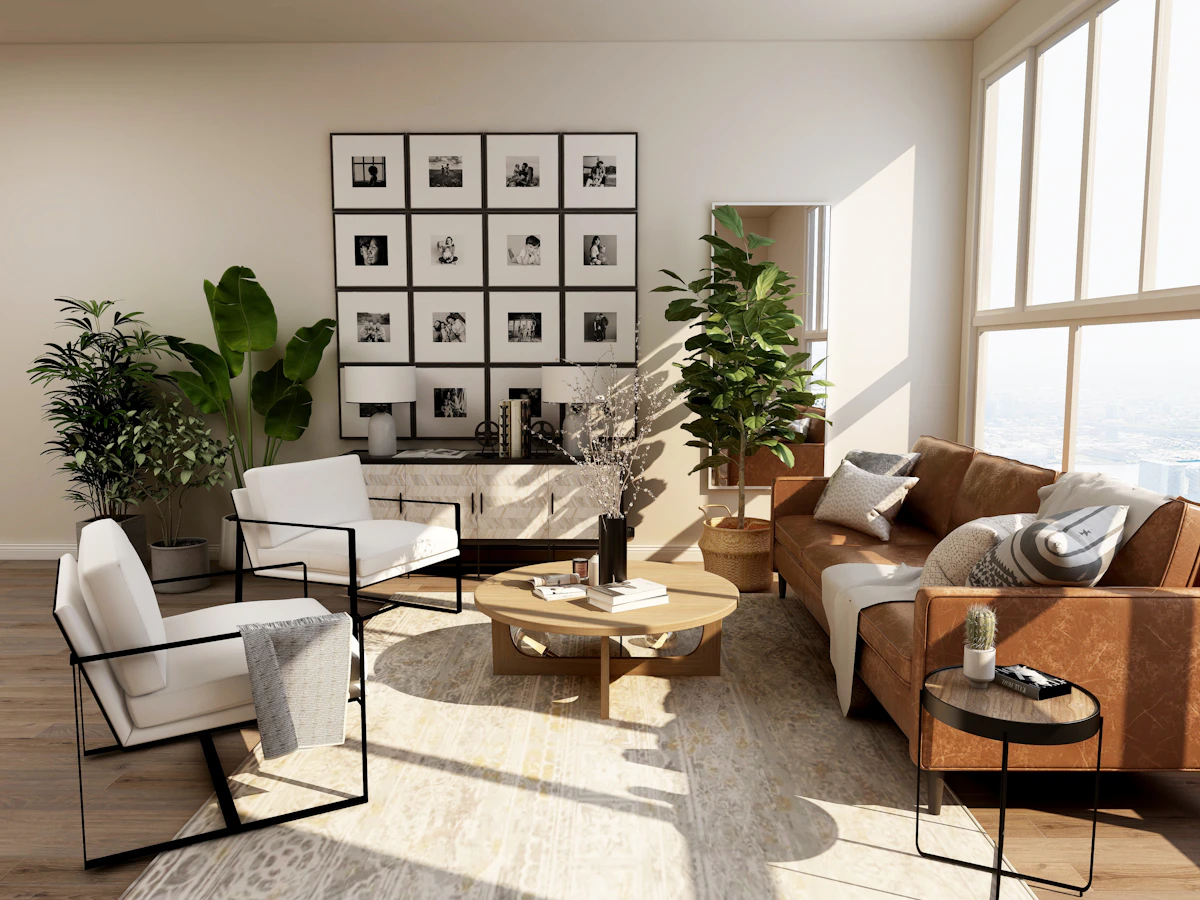
Visual fidelity should never compromise performance. Fast-loading, fluid portfolios keep affluent clients engaged.
02Value Above the Fold
Within three seconds of landing on your homepage, a visitor should know precisely who you are, what kind of design you specialize in, and where you are located. "Creating beautiful spaces" is too vague and overused. It lacks commercial power.
Instead, be precise: "Bespoke residential interior design for modern London living" or "Aesthetic architectural transformations for high-end boutique hotels." Define your niche instantly, and let your photography support the claim.
"A website shouldn't just exist. It must be your most relentless, elegant salesperson."
— SHAHBAZ ALI
03Mobile-First Navigation
In 2026, over 70% of potential clients will find your studio via mobile—often swiping up on an Instagram link. If your website is gorgeous on a 27-inch iMac but functionally broken, slow, or frustrating to browse on an iPhone, you lose trust instantly.
Your mobile navigation must be thumb-friendly, lightweight, and intuitive. Hamburger menus should open to highly structured, beautifully spaced link boards, and portfolio images should scale seamlessly without awkward zooming or overlapping text.
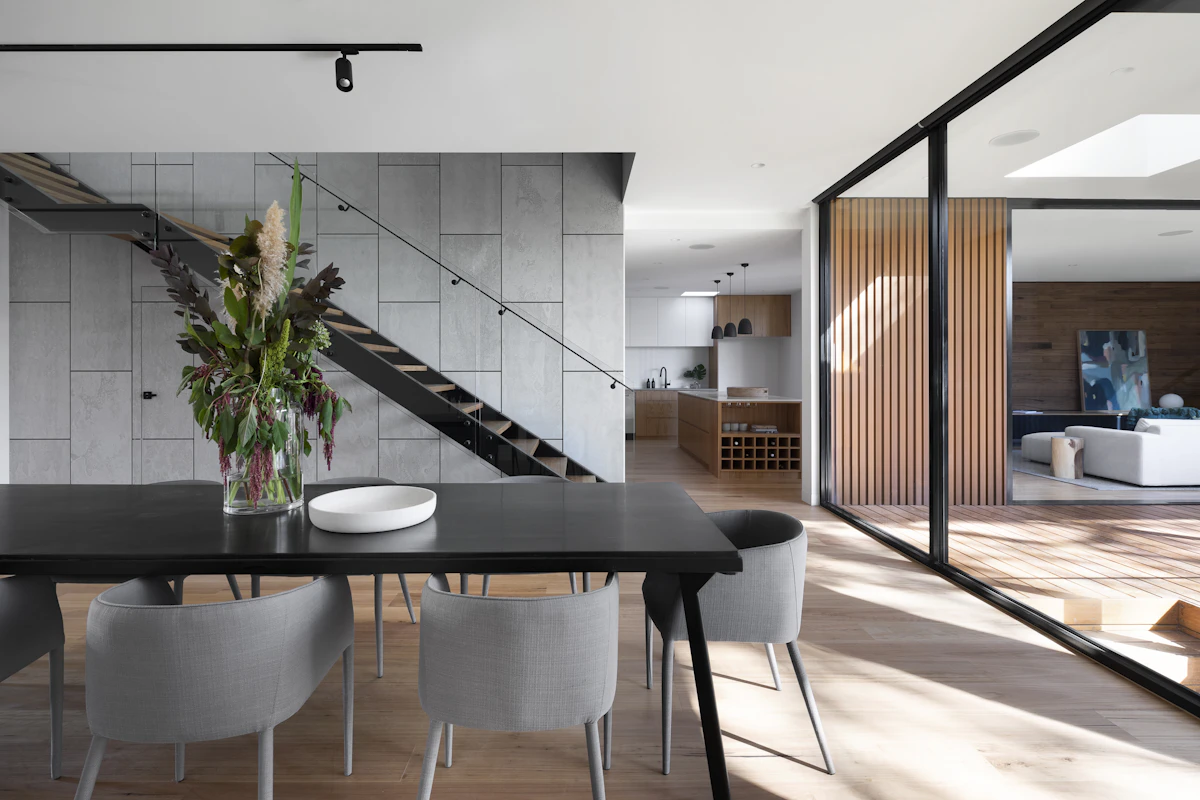
Luxury is in the details, both in spatial physical installations and digital navigation paths.
04High-End Inquiries
A simple "mailto" link isn't enough anymore. You need dynamic, branded inquiry forms that qualify leads by asking the right preliminary questions (e.g., Timeline, Budget Range, Project Scope) while maintaining a high-end luxury feel.
The interaction should feel like a white-glove onboarding process, not a generic contact box. A well-designed onboarding form filters out low-budget tire-kickers and sets a standard of professional organization before the discovery call even occurs.
05Localized Service SEO
You need dedicated, SEO-optimized landing pages detailing specific services, not just one generic contact or info page. If you offer "Full-Service Renovation," "Bespoke Millwork," and "Interior Curations," each should have its own robust page with proper headings, metadata, and related project examples.
This localized SEO architecture puts you directly in front of clients who are searching for localized interior design solutions (e.g. "Residential Renovation Studio Chelsea") right when they are ready to commission a firm.
Conclusion
Your studio's website shouldn't just be an expensive brochure. By integrating instant visual speed, a clear value statement, frictionless mobile control, qualify-focused forms, and localized service SEO, your website becomes an asset that commands high margins and pulls elite projects into your studio.